Backup Generator Installations
BACKUP GENERATOR INSTALLATIONS IN CANTON, GA
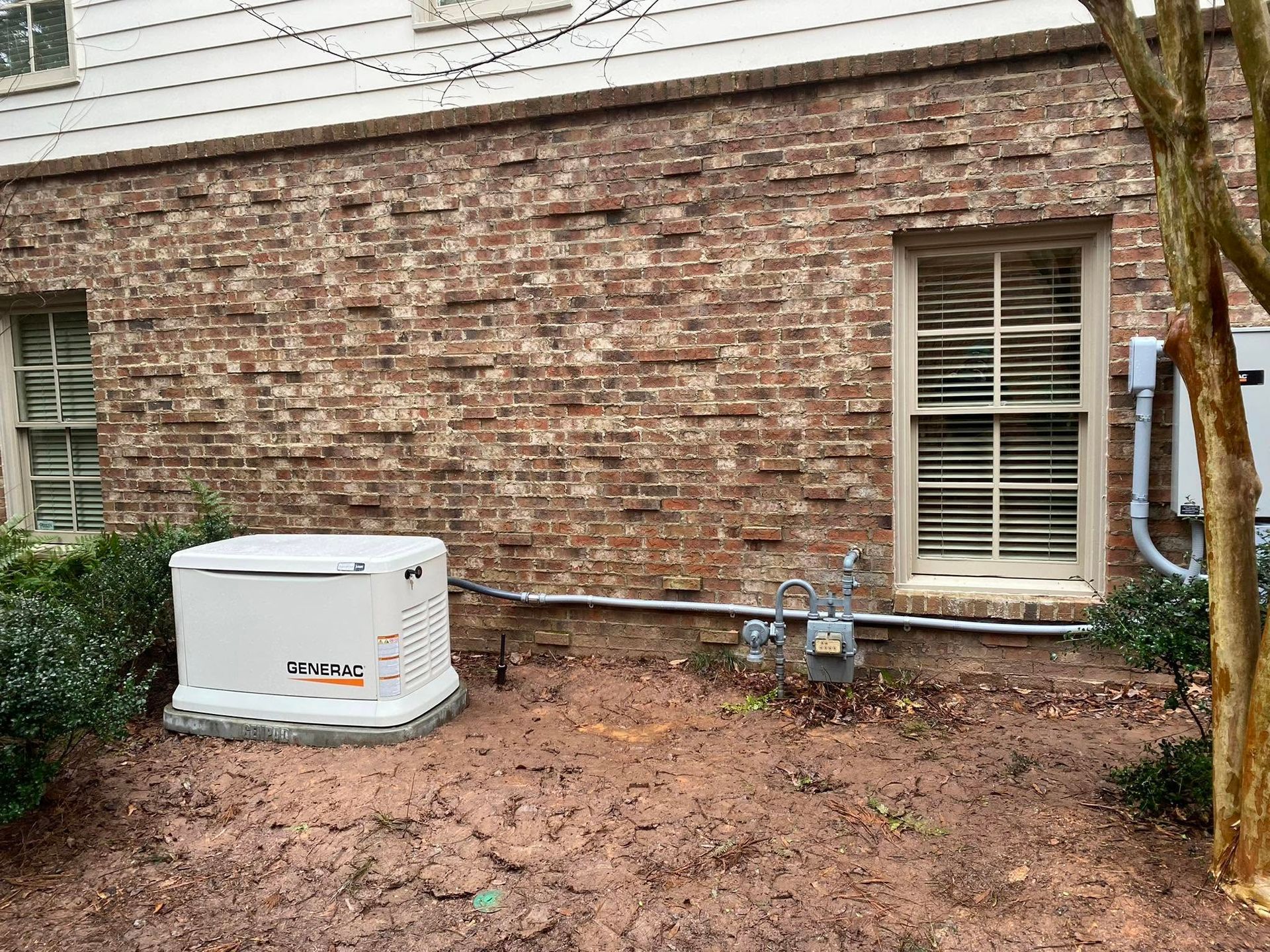
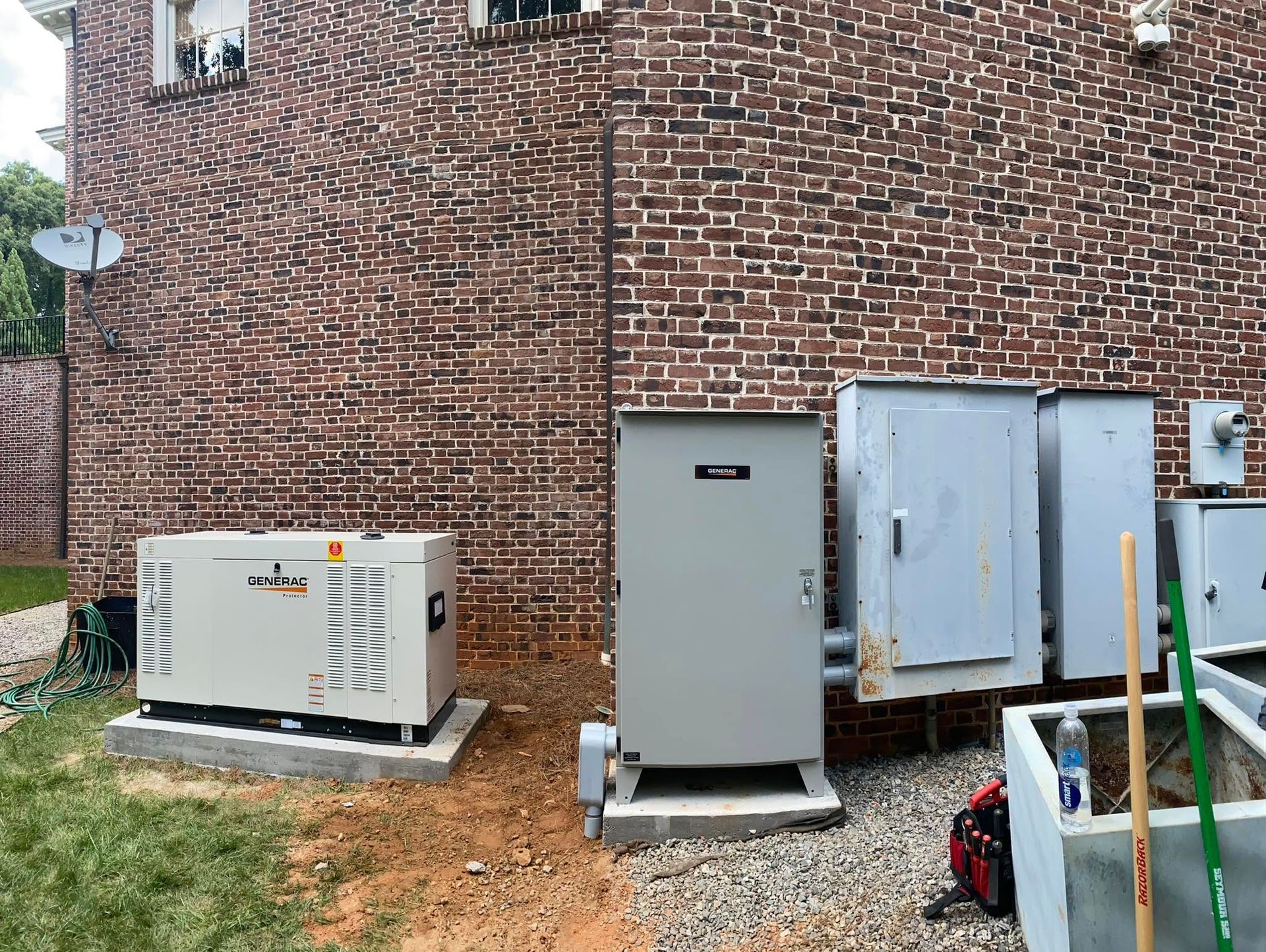
When Hurricane Helene crossed Georgia in September 2024, it caused about 1.5 million customer outages across the state, and many households across the region waited several days for their power to return. TRU Lighting & Electrical Services provides backup generator installations in Canton, GA, sizing standby units, typically 10 to 22 kilowatts, for refrigeration, lighting, HVAC, well pumps, and medical equipment. We install the automatic transfer switch, connect natural gas or propane service, place the generator with proper clearance for ventilation and exhaust, and test the full changeover before we leave, all completed to local code requirements by a licensed and insured electrical team.
AN OUTAGE SHOULD BE AN INCONVENIENCE, NOT AN EMERGENCY.
Without power, food spoils, sump pumps stop, home offices go dark, and summer heat builds quickly inside a closed house. A standby generator changes that story. Within seconds of an outage, the transfer switch starts the unit and restores the circuits your household depends on, so you can keep living normally while crews work outside.
We size and connect each system around the specific loads that matter most to your family, then prove the whole system works by simulating a real outage before we consider the job complete.
✓ Load planning and generator sizing
✓ Automatic transfer switch installation
✓ Natural gas and propane connections
✓ Full changeover testing at completion
BACKUP GENERATOR INSTALLATIONS
STANDBY POWER PLANNED AROUND CANTON STORM SEASON.
North Georgia sees tropical remnants, summer thunderstorms, ice storms, and falling trees on overhead lines, all of which can interrupt service without warning. A properly installed standby generator responds automatically whether you are home or away. We plan the system around what must keep running, from the refrigerator and furnace blower to a well pump or oxygen concentrator, so your home stays safe and comfortable through long outages.
WOODED LOTS AND OVERHEAD LINES MAKE BACKUP POWER PRACTICAL HERE.
Much of Cherokee County is heavily wooded, and many neighborhoods are served by overhead lines that storms and falling limbs can bring down. That makes backup power a practical investment for homes in Canton, Ball Ground, and Holly Springs. We select a pad location that meets manufacturer clearances from windows, doors, and vents, keeps exhaust away from living spaces, and remains easy to service.
STORM SEASON IS WHEN OUR PLANNING GETS TESTED.
A generator proves itself on the worst night of the year, so we install every system as if that night is tomorrow. Our 24 years of electrical work have taught us that most standby problems trace back to undersized units, poor transfer switch wiring, or fuel lines that were never pressure-checked. We calculate loads carefully, test every connection, and walk you through operation before calling the job finished.
WHAT A STANDBY GENERATOR DELIVERS.
Automatic Protection
The transfer switch senses an outage and starts the generator within seconds, restoring power whether you are asleep, at work, or away on vacation, without anyone lifting a finger.
Food and Medicine Stay Safe
Refrigerators and freezers keep running through extended outages, protecting groceries and temperature-sensitive medications that would otherwise begin to spoil within hours once the power stops.
Comfort in Any Season
Air conditioning through humid summer outages and heat through winter ice storms keep your family comfortable and protect vulnerable relatives from dangerous indoor temperatures when the grid is down.
A Dry Basement
Sump pumps continue working during storms, which is precisely when heavy rain arrives and when a finished basement is most at risk from water that has nowhere else to go.
Work Without Interruption
Home offices, internet equipment, and security systems stay online, so a storm does not cost you a workday, a deadline, or visibility into what is happening at home.
No Extension Cord Hazards
A permanently installed system eliminates the risks of portable generators, including carbon monoxide near windows, backfeeding through improper connections, and extension cords running through doorways.
our services
OUR GENERATOR INSTALLATION WORK.
A reliable standby system depends on more than the generator itself. These are the services we provide to plan, connect, and commission backup power for homes across Canton and Cherokee County.
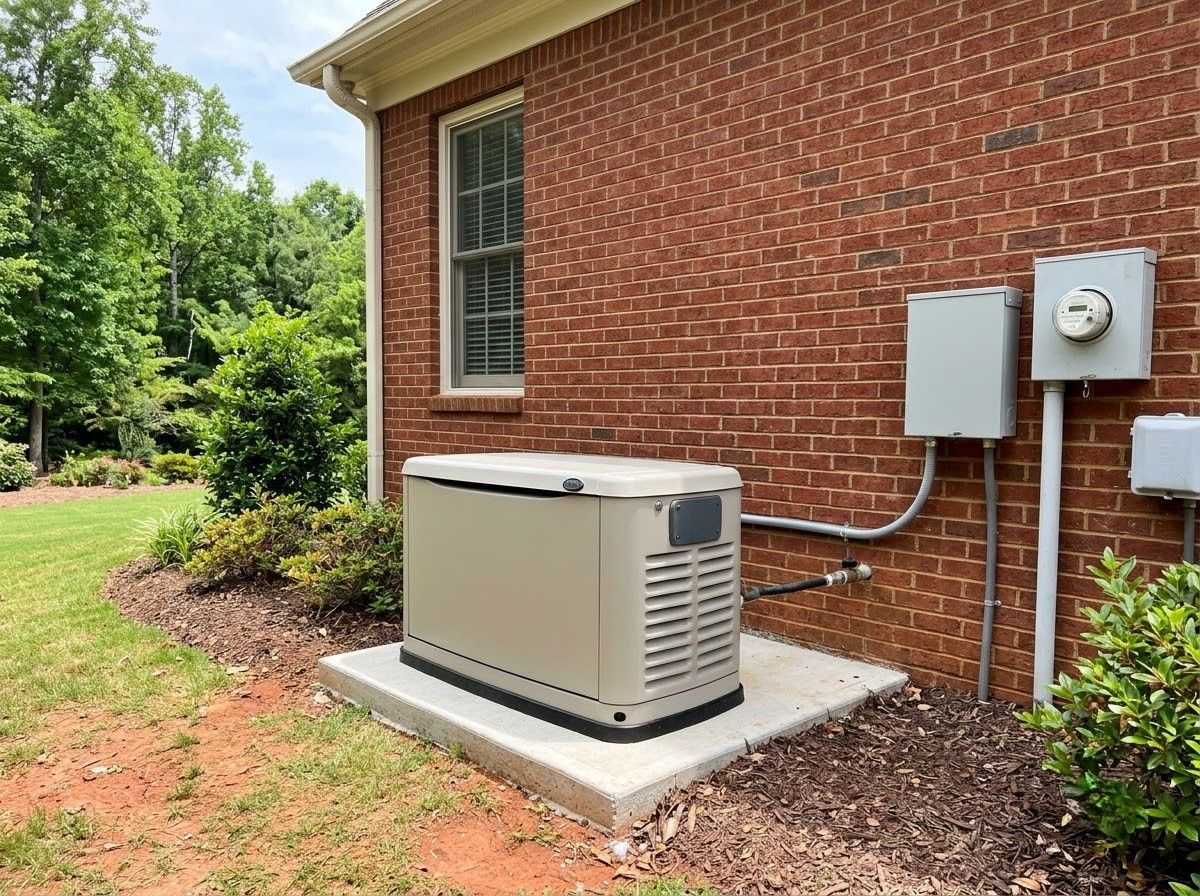
LOAD SIZING
Load Calculation and Generator Sizing
We list the appliances and systems you want powered, calculate starting and running loads, and recommend a unit sized to carry them, avoiding both overloaded generators and money wasted on capacity you never use.
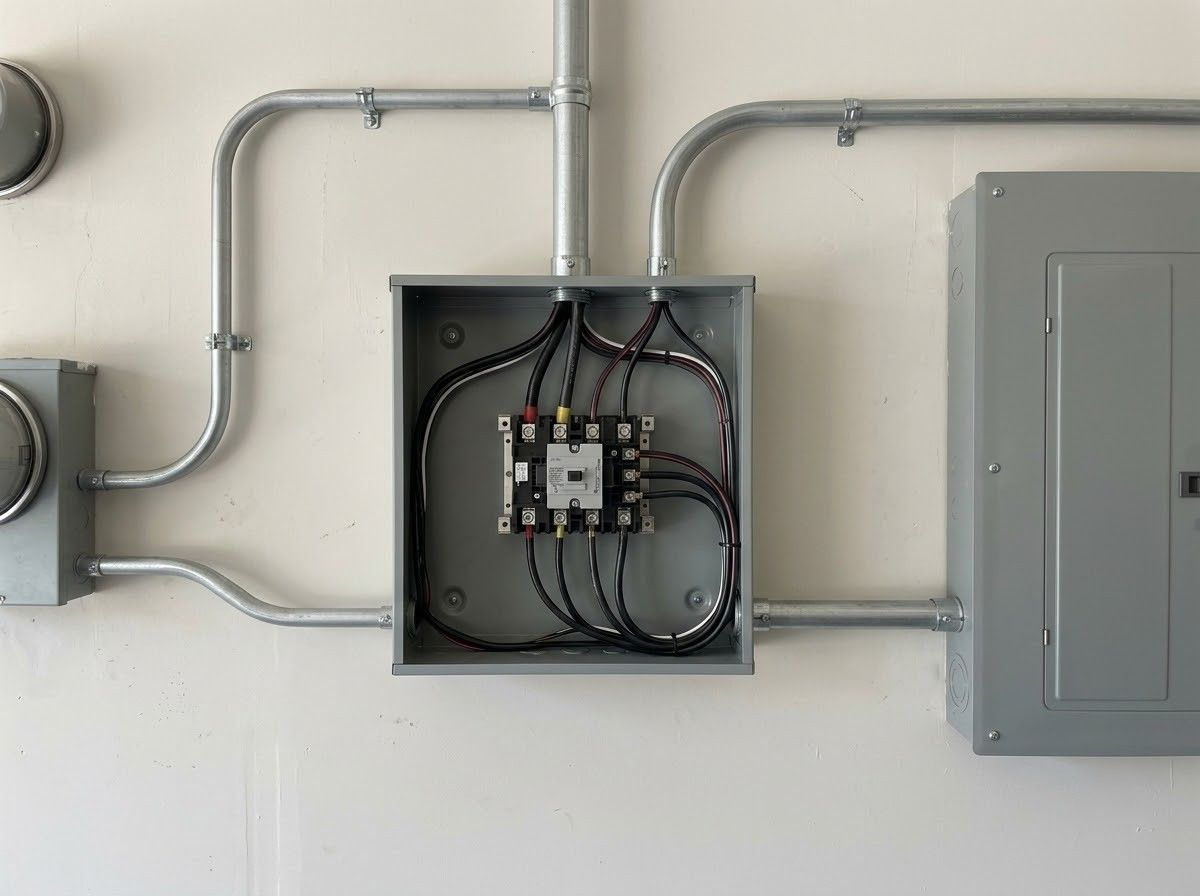
TRANSFER SWITCH
Automatic Transfer Switch Installation
The transfer switch safely separates your home from the utility during an outage and connects it to the generator, preventing dangerous backfeed onto the lines and switching back automatically once utility power returns.
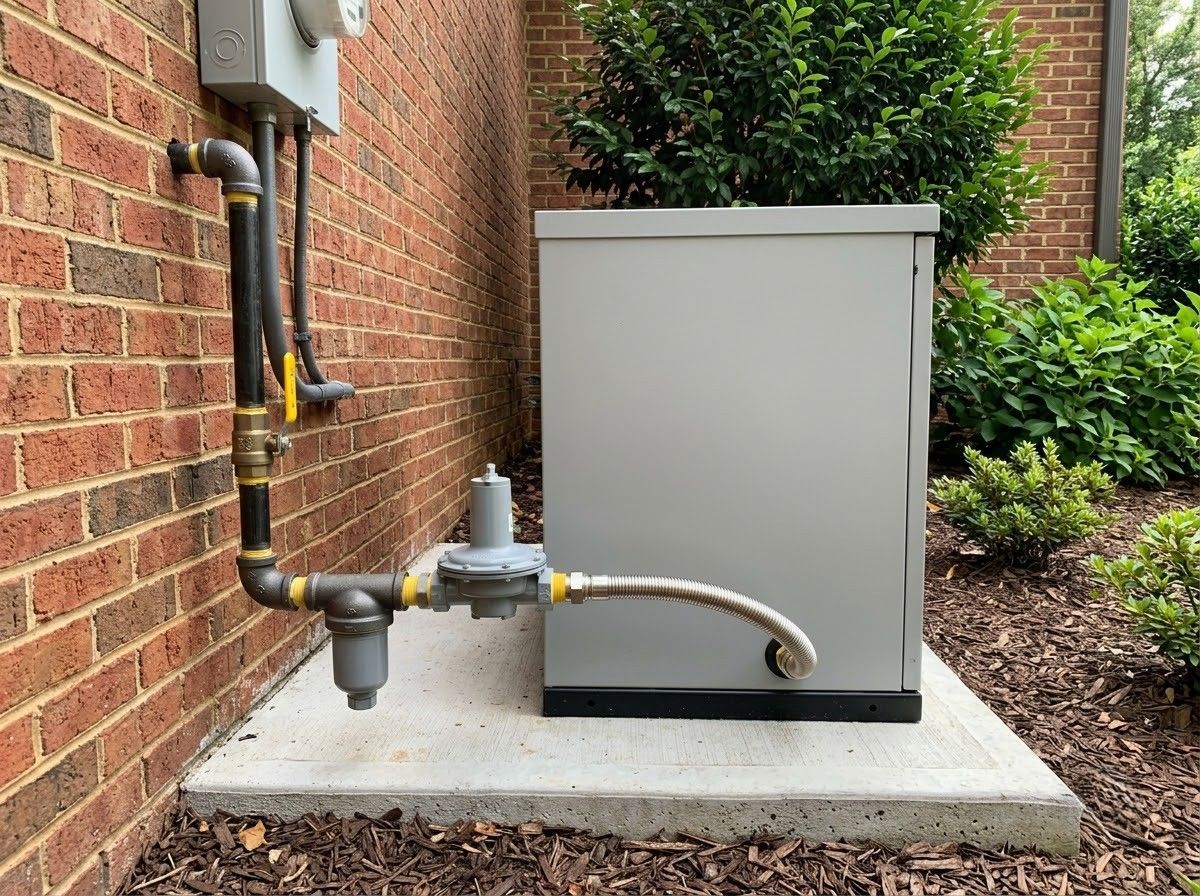
FUEL SUPPLY
Natural Gas and Propane Hookup
Standby generators connect to your existing natural gas service or a propane supply, and we coordinate that connection so the fuel line is properly sized, pressure-tested, and ready for long, continuous run times.
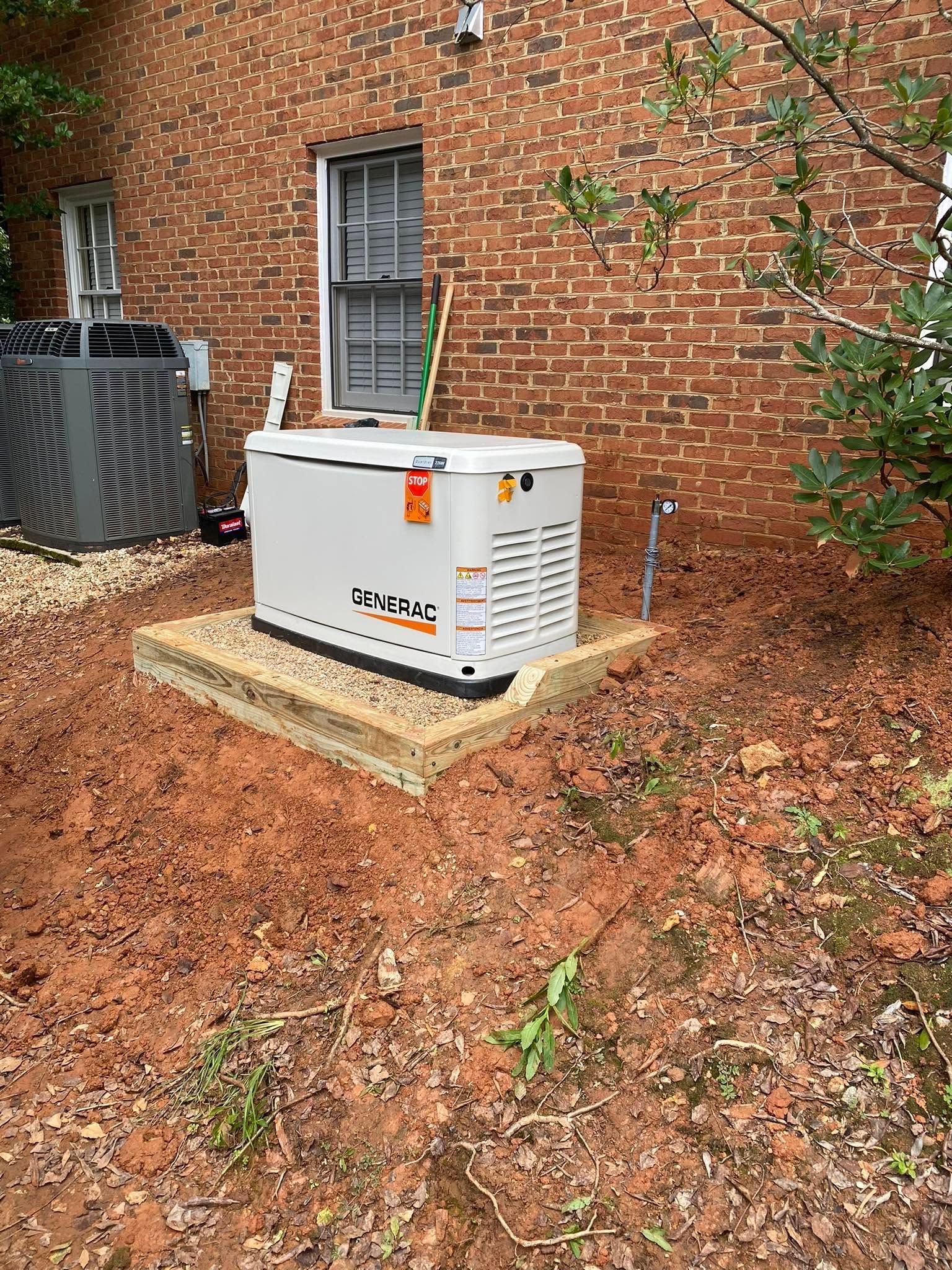
SITE PREP
Pad Placement and Clearances
The generator is set on a level pad positioned to meet manufacturer clearances from windows, doors, and vents, keeping exhaust away from the home while leaving room for safe, convenient service access later.
CIRCUIT PLAN
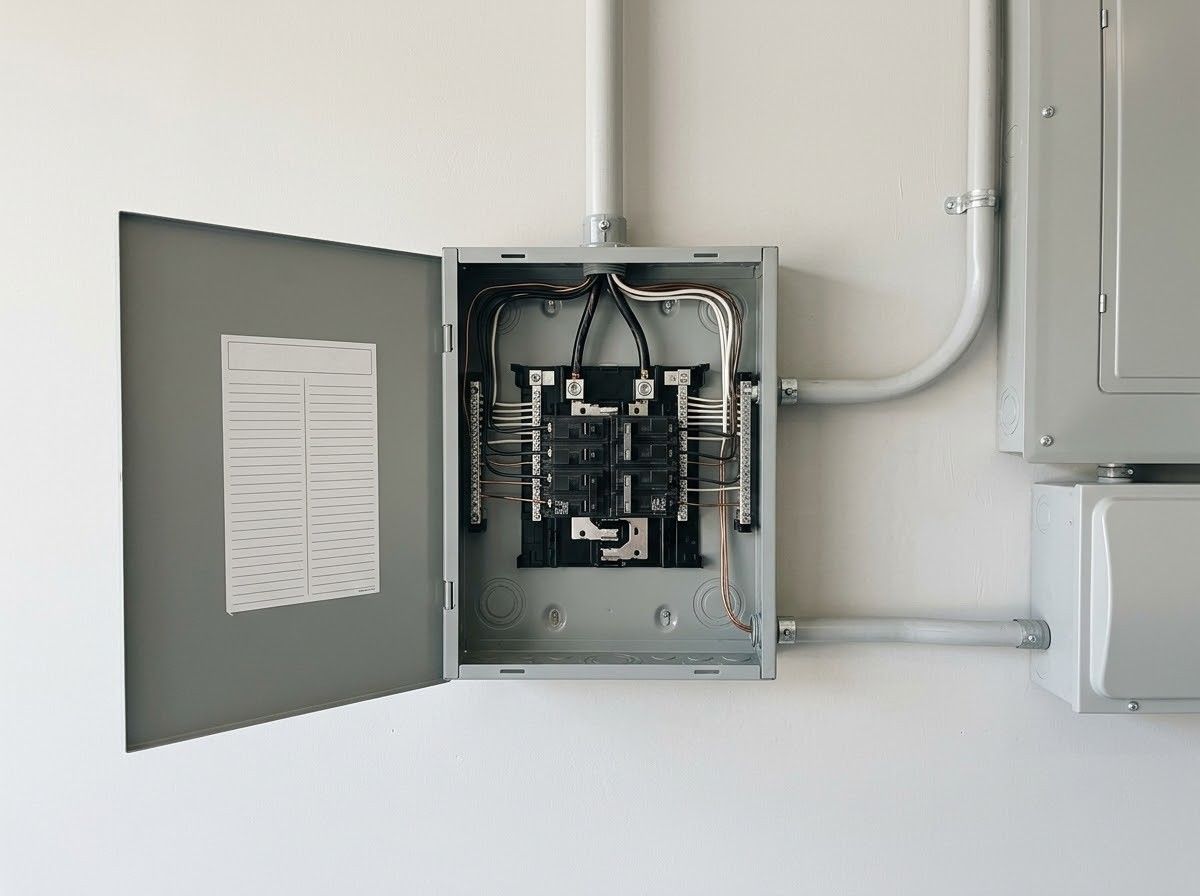
Essential Circuit Planning
For partial-home systems, we identify and group the circuits that matter most, such as refrigeration, heating, well pumps, and lighting, so your generator reliably powers those priorities first during every outage.
START-UP
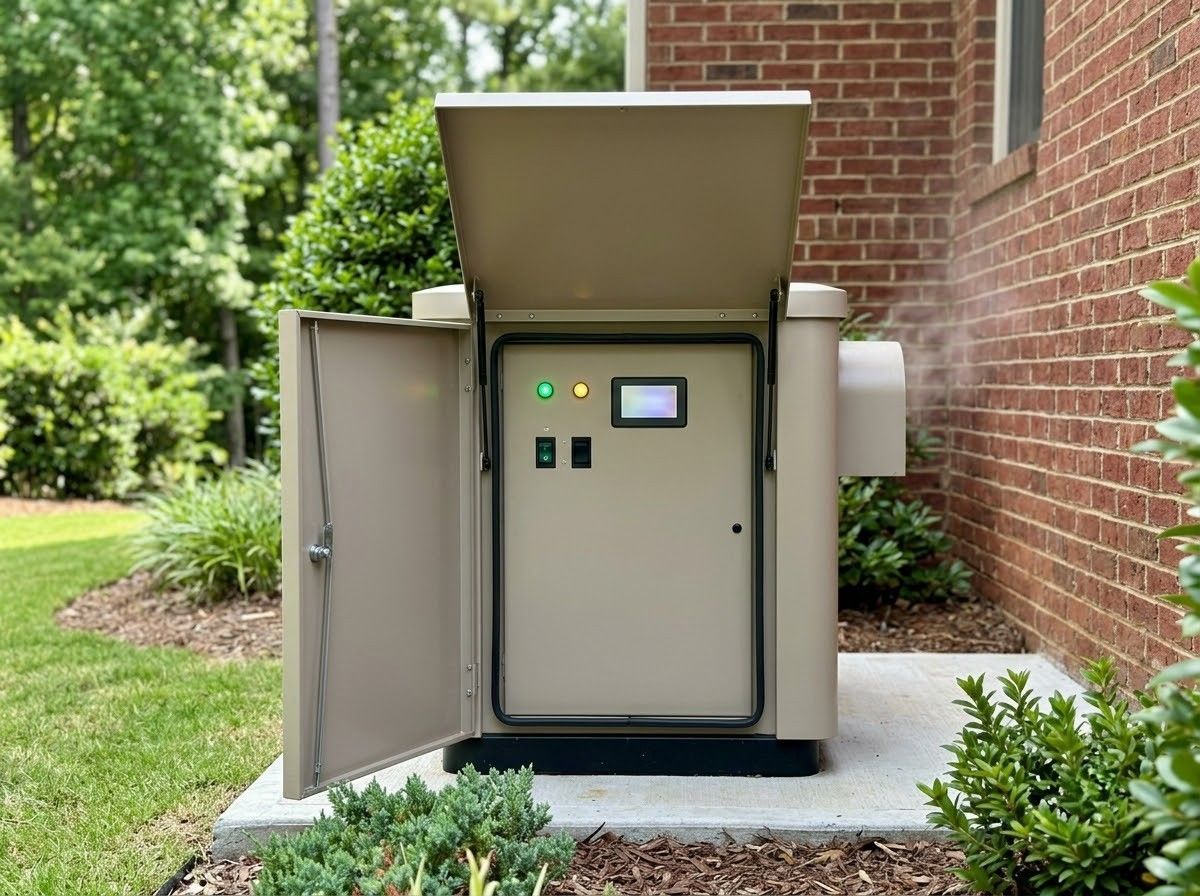
Commissioning and Operation Walkthrough
After installation, we simulate an outage, confirm the transfer switch and load balance perform correctly, and walk you through exercise schedules, status indicators, and what to expect when the power fails.
THE WORD ON OUR WORK
WHAT OUR CLIENTS SAY.
Homeowners tell us the first real outage after installation was almost uneventful, which is exactly the point. They mention that the lights came back within seconds, the house stayed cool, and the system switched back on its own. Many also appreciate how carefully we explained operation and routine maintenance before leaving.
FREQUENTLY ASKED QUESTIONS.
Standby generators raise questions about sizing, fuel, placement, and upkeep. These answers address what Canton homeowners ask most often when they start planning reliable backup power for their homes.
What size generator does a typical home need?
A unit sized for essentials like refrigeration, lighting, and HVAC typically falls between 10 and 22 kilowatts. Whole-home coverage with electric ranges or multiple air conditioners may need more, which a proper load calculation will reveal before purchase.
How does an automatic transfer switch work?
It sits between your utility service and your panel. When the switch detects a power loss, it disconnects your home from the grid, starts the generator, and connects your circuits to it, reversing the process once utility power returns.
Which fuel is better, natural gas or propane?
Natural gas connects to an existing utility line and never needs refilling, while propane is stored in a tank. TRU Lighting & Electrical Services helps Canton, GA, homeowners choose based on availability, run time, and cost, then coordinates the connection.
Where should a standby generator be placed?
It needs a level pad outdoors with manufacturer-specified clearance from windows, doors, and air intakes so exhaust cannot enter the home. Access for maintenance, distance from the gas meter, and noise near bedrooms also influence the best location.
What maintenance does a standby generator need?
Most units run a brief weekly or monthly self-test exercise, and they should be serviced annually with oil, filters, spark plugs, and a battery check. Regular attention keeps the generator ready to start reliably the moment an outage actually arrives.
Is a portable generator a safe substitute?
Portable units can help in a pinch, but they create carbon monoxide risks near the house and dangerous backfeed if connected improperly. A permanently installed standby system with a transfer switch avoids both hazards and responds automatically without anyone outside.
Can a generator power my whole house?
Yes, if it is sized for your full load, but many homes choose to power essential circuits only. We compare both approaches using your actual appliances, so you can decide between complete coverage and a smaller, more economical standby system.
Why choose TRU Lighting & Electrical Services for generator installation?
TRU Lighting & Electrical Services installs standby generators in Canton, GA, with careful load calculations, clean transfer switch wiring, and full changeover testing. We are licensed, insured, locally owned, and available seven days a week for scheduling and questions.
HOW WE WORK
FROM PLANNING TO PROVEN BACKUP POWER, HERE IS HOW.
STEP 01
Identify the Loads That Matter
We talk through which appliances and systems must run during an outage, including HVAC, refrigeration, well pumps, and medical devices, and record their electrical requirements carefully so the sizing calculation reflects your home accurately.
STEP 02
Size the Generator and Transfer Switch
Using those loads, we recommend a generator capacity and transfer switch configuration, explaining the difference between essential-circuit and whole-home coverage so you can choose the approach that best fits your household's needs and budget.
STEP 03
Choose the Site and Fuel Source
We identify a pad location that meets clearance requirements, confirm natural gas or propane availability, and plan conduit and fuel routing from the generator to the panel and gas meter efficiently, safely, and neatly.
STEP 04
Install the Generator and Switch
The generator is set on its pad, the transfer switch is installed at the panel, and conduit, control wiring, and fuel connections are completed and secured to local code requirements and manufacturer specifications.
STEP 05
Simulate a Real Outage
We cut utility power, confirm the generator starts, verify the transfer switch changes over correctly, check load balance under operation, and confirm the system returns to utility power automatically once service is restored.
STEP 06
Walk You Through Operation
Before leaving, we show you the controls, status lights, and exercise schedule, explain annual maintenance needs, and answer every question so you feel fully confident the next time severe storms roll through Canton.